
South Africa’s economy has delivered a better-than-expected start to 2026, but economists are warning that the numbers may reflect a quieter moment before stronger headwinds begin to show up.
The country’s gross domestic product grew by 0.5% quarter-on-quarter in the first quarter of 2026, beating market expectations and moving closer to 2% year-on-year growth. On paper, the result offers encouragement. It shows that the economy still has enough internal strength to grow, even after years of pressure from weak confidence, high borrowing costs, energy constraints, transport inefficiencies and cautious consumer spending.
Agriculture was the standout performer, expanding by 3.9% during the quarter. The finance sector also helped support growth, giving the overall figure a broader base than many analysts had expected. This is important because South Africa’s economy has often struggled to generate momentum across several sectors at once. A positive first-quarter reading suggests that parts of the economy were still benefiting from more stable conditions carried over from 2025.
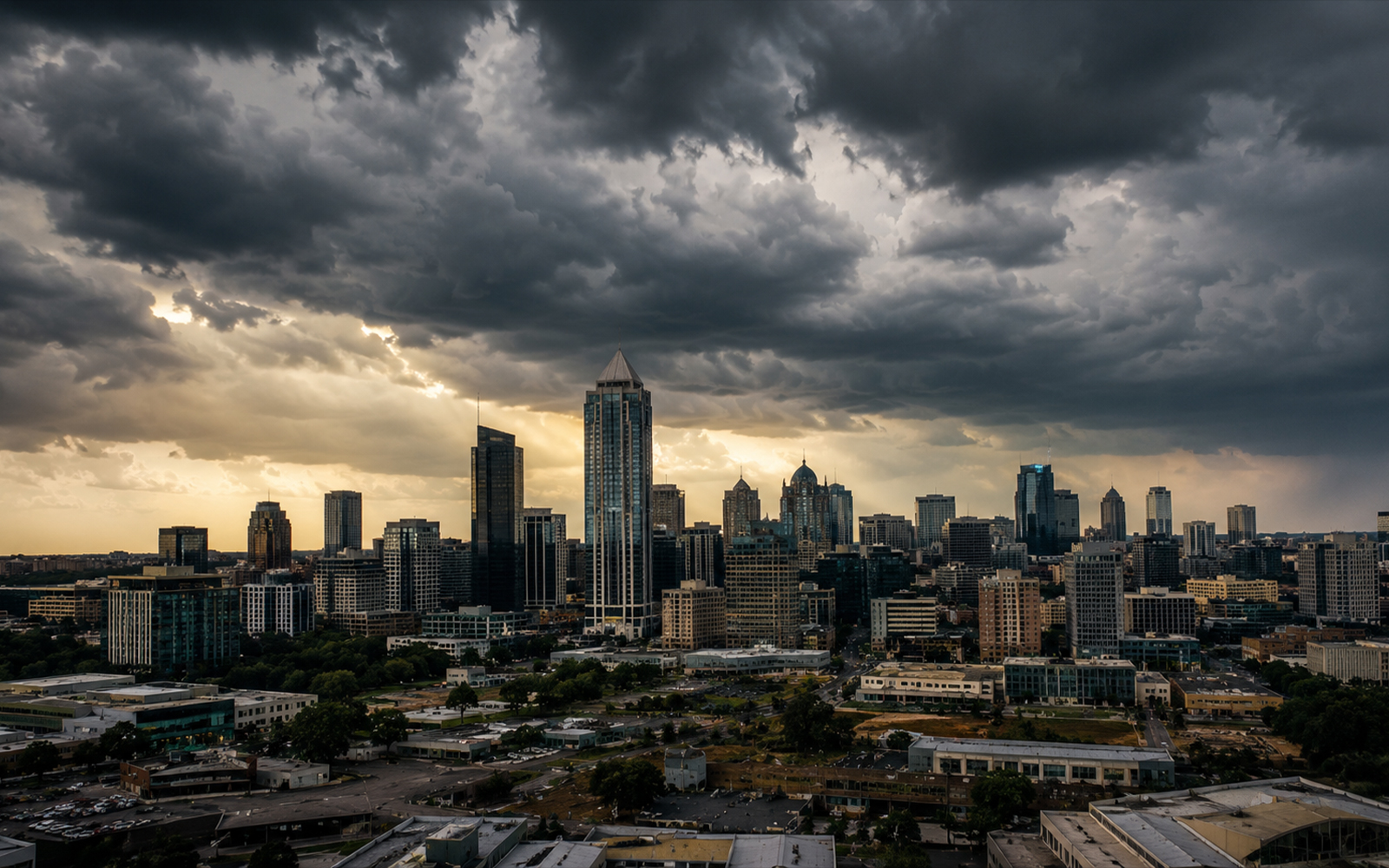
But the optimism comes with a warning. Citadel chief economist Maarten Ackerman cautioned that the first-quarter data largely reflects conditions before the latest geopolitical and domestic pressures intensified. In other words, the GDP number may tell us where the economy was before the storm, not where it is heading next. The real test will come in the second-quarter data, where the impact of higher fuel prices, global conflict and weaker household demand is likely to become clearer.
The biggest concern is fuel. The conflict involving the United States, Israel and Iran triggered a sharp oil-price shock, with the Strait of Hormuz becoming a major point of concern for global energy markets. South Africa, as a fuel-importing economy, is highly exposed to these global movements. When oil prices rise and the rand comes under pressure, petrol and diesel costs climb quickly. That affects far more than motorists. It raises the cost of transporting goods, running delivery fleets, moving agricultural produce, operating machinery and keeping small businesses active.
Consumers felt this pressure almost immediately through higher petrol and diesel prices in April. For households already dealing with debt repayments, food inflation and limited wage growth, higher transport costs reduce spending power. This is why the slowdown in household consumption is one of the most important signals in the GDP report. Consumer spending grew by only 0.1% in the quarter, down sharply from 1.2% previously. That suggests the economy’s main engine is already under strain.
South Africa’s economy is heavily consumer-led, so weaker household spending can quickly affect retail, services, banking, property, transport and small-business activity. When consumers spend less, companies sell less. When companies sell less, they delay investment, reduce hiring and protect margins. The danger is that a fuel shock, if it lasts long enough, can move through the economy and weaken growth well beyond the petrol pump.
The Reserve Bank also faces a difficult balancing act. Higher fuel prices can push inflation upward, but interest-rate hikes cannot directly lower the global oil price. If the Bank raises rates too aggressively, households and businesses may face even more pressure. If it waits too long, temporary fuel inflation could become embedded in broader prices and expectations. This makes the coming months especially important for policymakers.
The first-quarter GDP surprise should therefore be read as a sign of resilience, not a guarantee of recovery. South Africa has shown that it can still grow when conditions are supportive, but the economy remains vulnerable to shocks it does not control. Global energy markets, geopolitics, currency movements and domestic consumer weakness can all change the outlook quickly.
For now, the message is cautiously positive. The economy entered 2026 with more strength than expected. Agriculture, finance and broader activity gave the country a better start than many had forecast. But the calm may not last. The second quarter will reveal whether South Africa can absorb the fuel shock and geopolitical pressure, or whether the early-year growth surprise was only a brief pause before a more difficult stretch.
Share this story