
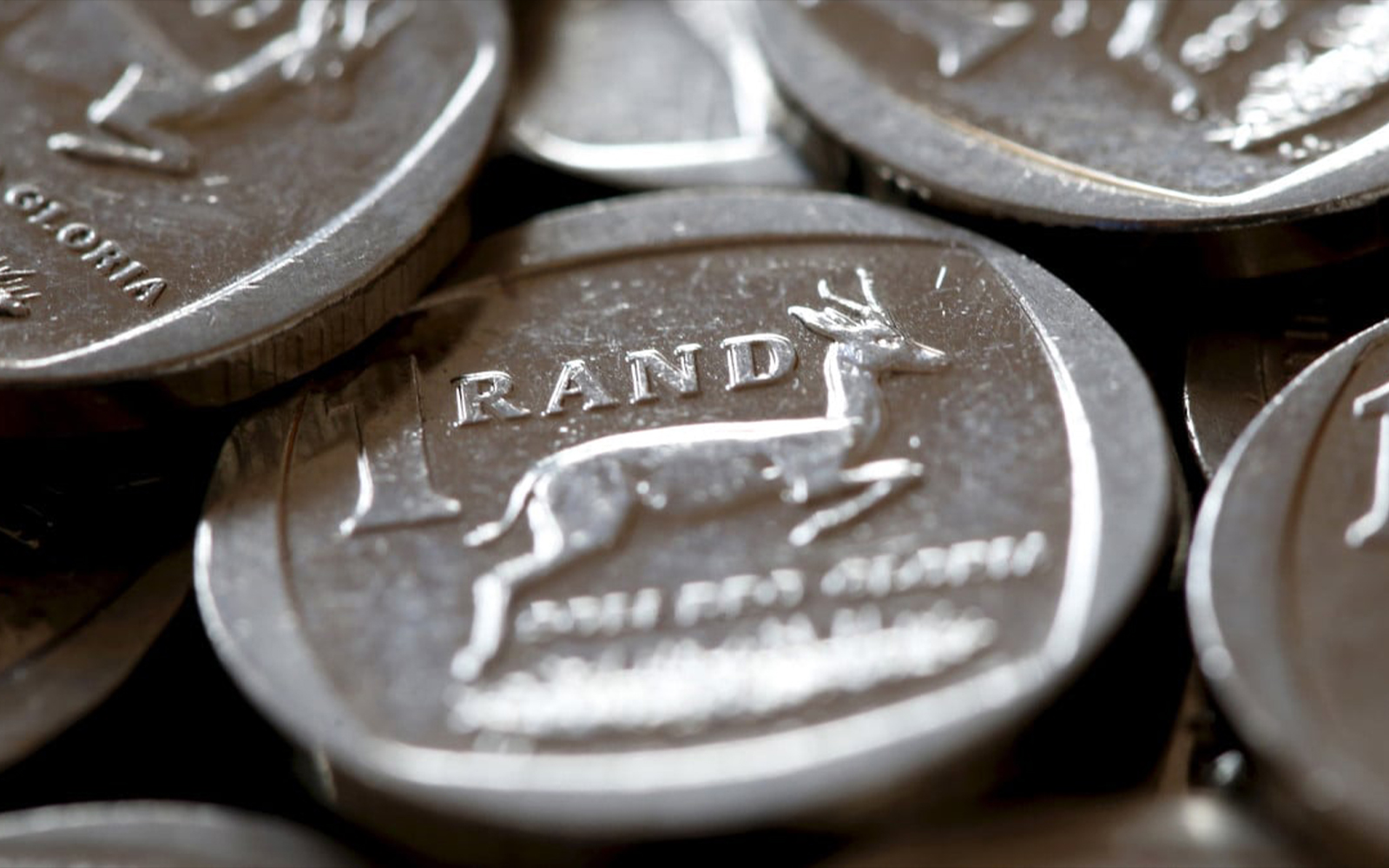
The currency gained ground after news of an agreement between the United States and Iran helped calm fears of a prolonged conflict in the Middle East. That shift mattered immediately for markets. When geopolitical tension rises, investors often move away from emerging-market currencies and into safer assets such as the US dollar. When those fears ease, currencies like the rand can recover quickly. The rand’s improvement came alongside lower oil prices, creating a double benefit for South Africa.
This is important because fuel prices have been one of the biggest drivers of inflation in recent months. A weaker rand makes imported oil more expensive, while higher global oil prices add further pressure at the pump. When both move against South Africa at the same time, the result is painful: petrol rises, diesel becomes more expensive, transport costs increase, and businesses begin passing higher costs on to consumers.
The latest rand strength changes that picture. BusinessTech reported that early fuel-price data for July points to a possible over-recovery, with petrol and diesel expected to become cheaper if market conditions hold. Petrol 95 could fall by just over R1 a litre, while diesel could see a much larger drop. For motorists, that would offer immediate relief. For businesses, especially those in logistics, retail, agriculture, construction and delivery services, cheaper diesel could help reduce operating costs at a time when margins remain tight.
The rand’s performance has also been helped by softer inflation data. South Africa’s May inflation figure came in lower than many economists expected, reducing pressure on the South African Reserve Bank to raise interest rates again immediately. This supported the view that the country may avoid another near-term hike, giving consumers and companies some breathing room. A more stable interest-rate outlook can also support investor confidence, particularly when combined with improving global sentiment.
However, the rand’s recovery should be treated with cautious optimism rather than celebration without limits. The currency remains sensitive to global events, commodity prices, the strength of the US dollar, domestic politics, electricity stability, fiscal discipline and investor confidence. A sudden shift in oil markets, renewed conflict, weak local data or a stronger dollar could quickly reverse recent gains.
Still, the latest movement is a meaningful win. It shows how quickly South Africa can benefit when global risk pressure eases and local inflation surprises on the downside. A stronger rand can reduce imported inflation, soften fuel prices, improve the outlook for consumers and support business confidence. It also helps calm fears that the country could be forced into another round of rate hikes just as households are trying to recover from a long period of financial strain.
For ordinary South Africans, the rand’s rally may not immediately change every monthly bill, but it offers something important: the possibility that the worst of the recent fuel-price pressure may begin to ease. For businesses, it provides a more stable environment to plan costs, manage transport expenses and protect pricing.
The rand’s latest gain is therefore not only a currency-market headline. It is a signal that South Africa’s economy has gained a little breathing space. In a year shaped by fuel shocks, inflation worries and global uncertainty, that breathing space may prove valuable.
Share this story