
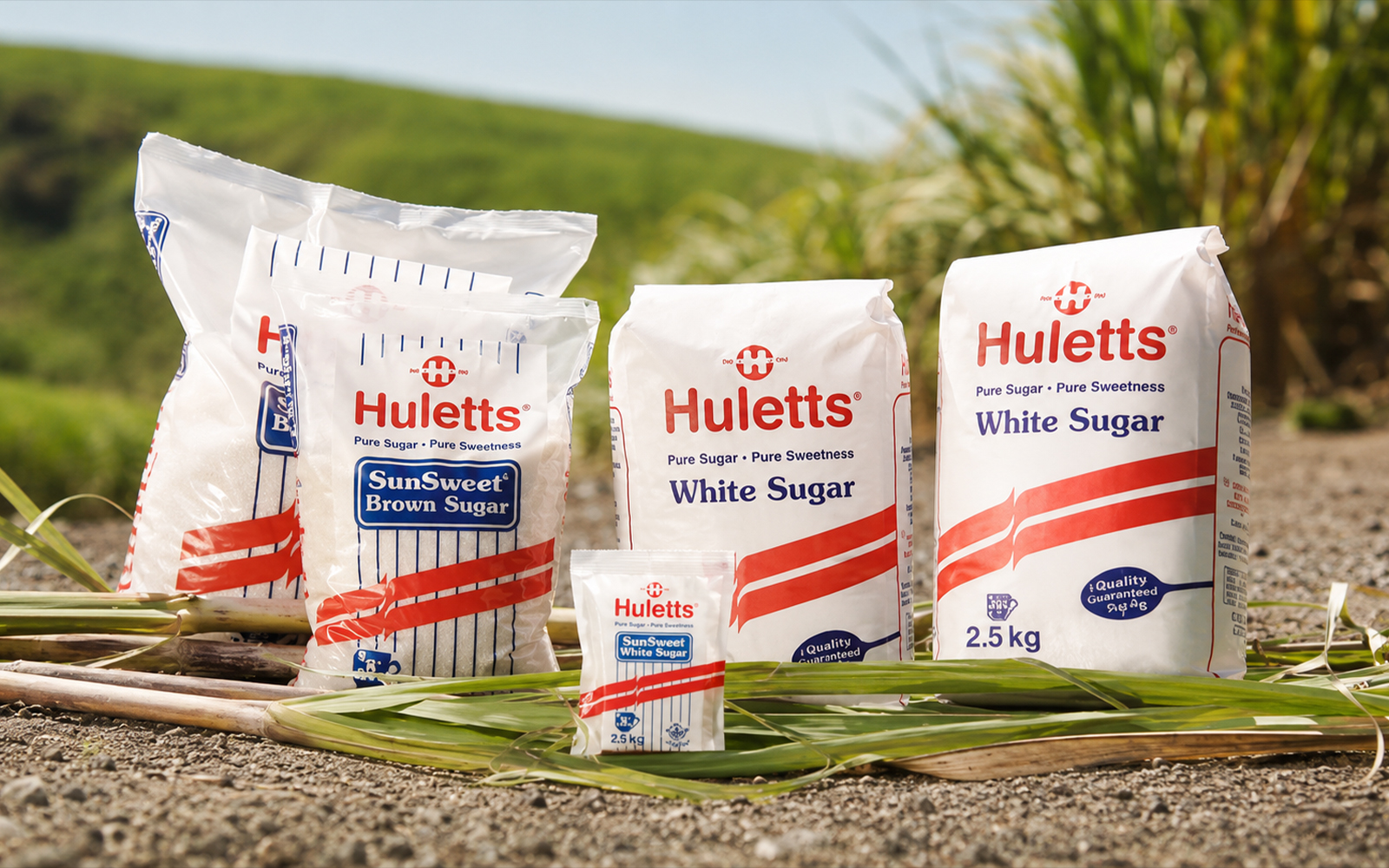
Tongaat Hulett has escaped liquidation in a last-minute rescue that has brought relief to South Africa’s sugar industry, but the company’s survival has also sharpened calls for tougher action against rising sugar imports.
The 134-year-old sugar producer had been facing one of the most serious moments in its history, with liquidation threatening thousands of workers, growers, suppliers and rural communities linked to its mills. The breakthrough came after Tongaat Hulett’s business rescue practitioners, the Industrial Development Corporation and Vision Group reached an agreement to keep the business afloat. The deal means the company remains in business rescue rather than being pushed into liquidation, giving the group and its stakeholders more time to stabilise operations and protect the value chain.
The importance of the rescue goes far beyond one company. Tongaat Hulett is deeply woven into South Africa’s sugar economy, particularly in KwaZulu-Natal, where sugar mills, cane farms, transport operators, contractors and small rural towns depend on the continuation of milling operations. Business Day reported that the agreement could safeguard more than 250,000 jobs in Tongaat’s operations and broader value chain. Reuters previously reported that the company is one of South Africa’s largest sugar millers, with capacity to mill up to 2 million metric tons, showing why its possible collapse triggered concern from government, growers and industry bodies.
For cane growers, the rescue is especially significant. Sugarcane cannot simply be stored or moved long distances without losing quality. Farmers depend on nearby mills to crush cane within practical time and distance limits. If Tongaat’s mills were to close, many growers would struggle to find alternative milling capacity, especially in regions where existing mills are already stretched. That would not only threaten farms but also the workers, transport businesses and communities built around the sugar belt.
The Industrial Development Corporation’s involvement reflects the wider economic stakes. This was not merely a corporate rescue; it was an attempt to prevent damage to a strategic agricultural and industrial value chain. Tongaat’s collapse would have risked deepening rural unemployment, weakening local manufacturing, disrupting sugar supply and undermining years of work under the Sugar Value Chain Master Plan.
Yet the rescue does not mean the industry is out of danger. Tongaat Hulett and sugar stakeholders are now urging a crackdown on sugar imports, which they argue have placed additional pressure on local producers. The rise in imports has become a sensitive issue because South African mills and growers are trying to recover from years of financial strain, operational uncertainty and weak sector confidence. If imported sugar enters the market at levels that undercut local production, it can make recovery far more difficult for companies trying to rebuild.
SA Canegrowers has warned that Tongaat Hulett’s difficulties have already allowed imports to increase. Daily Investor, citing SA Canegrowers chairperson Higgins Mdluli, reported that about 213,322 tonnes of sugar were imported into South Africa between April 2025 and March 2026. That figure highlights why the industry is pushing for stronger enforcement and greater protection of local production. The concern is not only company profitability, but the survival of a domestic agricultural chain that supports livelihoods across KwaZulu-Natal and Mpumalanga.
The challenge now is execution. A rescue agreement can stop liquidation, but it cannot automatically rebuild trust, settle obligations, restore full confidence among growers or protect the market from external pressure. Tongaat will need fresh capital, disciplined management, reliable milling operations and a clear relationship with farmers and industry bodies. Government and regulators will also face pressure to ensure that import policy does not weaken local producers at the very moment they are trying to recover.
For South Africa, Tongaat Hulett’s survival is a warning and an opportunity. The warning is that strategic companies can become so fragile that their failure threatens entire communities. The opportunity is that, with the right restructuring and sector support, a historic business may still help anchor one of the country’s most important agricultural industries.
The immediate crisis has been avoided, but the bigger test begins now. Tongaat Hulett has escaped liquidation. Whether it can return to strength will depend on funding, operational discipline, grower confidence and whether South Africa acts decisively to protect its sugar industry from unfair import pressure.
Share this article